Why Stainless Steel Grade Matters for Drinkware
Stainless steel grade affects corrosion resistance, forming performance, appearance and the suitability of a cup or bottle for a particular market. For wholesale buyers, choosing the right grade is more useful than simply choosing the lowest price. The final decision should consider the beverage, environment, product construction, decoration, testing requirements and expected service life.
Grade Is Only One Part of Product Quality
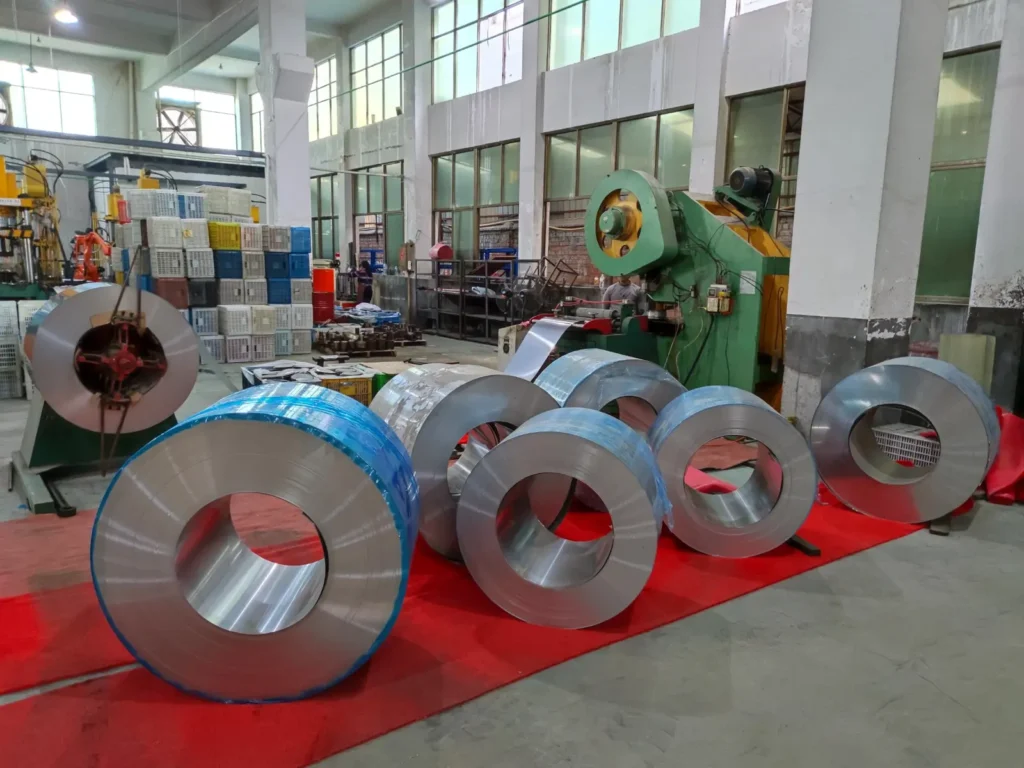
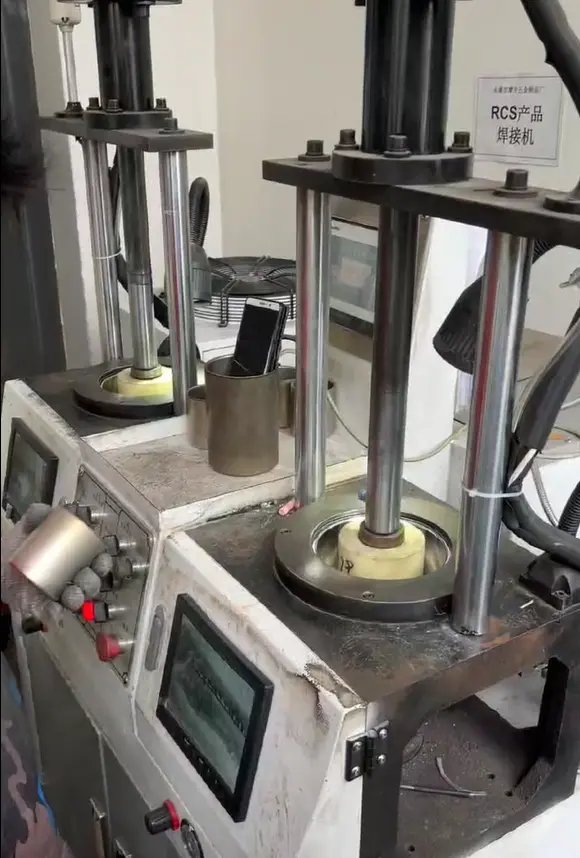
A material number does not describe the entire finished product. Wall thickness, welding, forming, polishing, coating, cleaning and packaging also influence performance. Buyers should ask which grade is used for each component, especially when a double-wall product has separate inner and outer walls.

201 Stainless Steel: A Cost-Conscious Option
201 stainless steel is an austenitic grade that uses manganese and nitrogen to reduce part of its nickel content. It can be formed into many everyday products and may offer a lower material cost than 304. Its corrosion resistance is generally lower than 304 in demanding or salty environments, so the application and care requirements should be reviewed carefully.
For drinkware projects, do not assume that a 201 label automatically confirms food-contact suitability. Ask for the exact specification and product-specific test support required for the destination market. A cost advantage is only useful when the product still meets the buyer’s performance, appearance and compliance requirements.
304 Stainless Steel: The Common Drinkware Standard
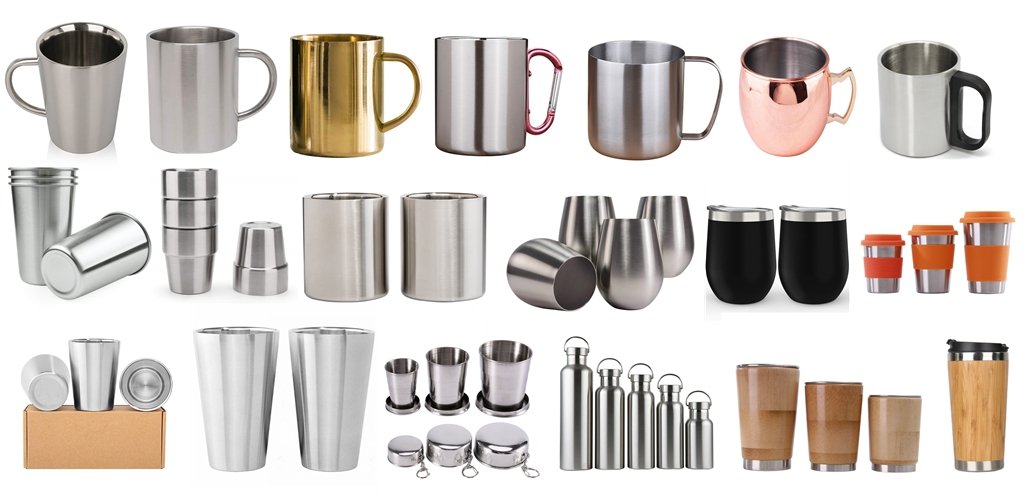
304 stainless steel, often described as 18/8 or 18/10 depending on the composition and standard used, is widely selected for kitchenware, mugs, tumblers and bottles. It offers a practical balance of corrosion resistance, formability, appearance and cost for many indoor, outdoor and promotional applications.
304 is not rust-proof in every condition. Salt, acidic beverages, harsh cleaners, surface contamination and poor care can still cause staining or corrosion. A reliable supplier should confirm the material specification, production process, care instructions and any available food-contact documentation for the actual product.
316 Stainless Steel: Higher Resistance for Demanding Environments
316 stainless steel contains molybdenum in addition to chromium and nickel. This helps improve resistance to chloride-related corrosion compared with 304 in many environments. It may be considered for products exposed to salt air, marine conditions or more aggressive cleaning requirements.
The higher alloy content usually increases material cost. For most general drinkware applications, 316 may not provide a meaningful commercial benefit over a well-made 304 product. Wholesale buyers should match the grade to the real use case instead of paying for a specification that customers do not need.
430 Stainless Steel: Magnetic Ferritic Stainless Steel
430 stainless steel is a ferritic grade with useful resistance to oxidation and moderate corrosion. It is normally magnetic and is often used in appliance panels, kitchen components and decorative applications. It can be an economical choice when the design does not require the corrosion resistance or deep forming performance associated with 304.
430 is not a universal replacement for 304 in liquid-contact drinkware. Buyers should consider the beverage, moisture exposure, cleaning process, finish and customer expectations before selecting it for a cup or bottle.
Quick Comparison for Wholesale Drinkware Buyers
| Grade | Typical characteristics | Drinkware considerations |
|---|---|---|
| 201 | Austenitic, lower-cost alloy | Review corrosion, finish and compliance requirements carefully |
| 304 | Balanced corrosion resistance and formability | Common choice for mugs, tumblers and bottles |
| 316 | Higher chloride resistance in many conditions | Consider for demanding environments; higher cost |
| 430 | Ferritic and usually magnetic | Suitable for selected components and applications, not every liquid-contact use |
How Magnetism Helps—and Misleads
A magnet test can provide a quick clue, but it cannot identify a stainless steel grade by itself. 430 is normally magnetic. Annealed 304 and 316 are usually non-magnetic, but forming, welding and other processing can create weak magnetism. A magnet therefore cannot replace material records or laboratory testing.
Questions to Ask Before Placing a Wholesale Order
What Grade Is Used for Each Part?
Confirm the grade of the inner wall, outer wall, handle, lid and other parts. This is especially important for double-wall mugs and tumblers, where different materials may be used in different components.
Can the Supplier Provide Product-Specific Support?
Ask for the material specification, available food-contact test support, care instructions and inspection details that apply to the exact model and finish. Requirements vary by destination and decoration method.
What Is the Complete Cost?
Compare material cost together with forming, welding, polishing, coating, printing, packaging, inspection and shipping. A slightly higher-grade product may be the better value when it reduces returns and supports longer use.

Why Many RakaCups Models Use 304 Stainless Steel
For applicable RakaCups mugs, tumblers and bottles, food-grade 304 stainless steel provides a practical balance of durability, appearance and manufacturing flexibility. We can review the product design, capacity, wall construction, finish and target market before recommending a suitable specification.
Explore our wholesale stainless steel mugs and stainless steel tumblers, or review our OEM customization options for logos, colors, finishes and packaging.
Request a Stainless Steel Drinkware Specification
The right grade depends on the intended use, market requirements and total project cost. Learn more about RakaCups, then contact our factory team for material details, samples, MOQ, lead time and wholesale pricing.
For a related material question, learn why a 304 stainless steel cup can sometimes appear magnetic and review how material and specification verification is handled in our factory and quality control process. Browse more Product Knowledge guides for OEM drinkware projects.